Toe deformities rarely arrive overnight. They build, quietly, out of small compromises in footwear, biomechanics, and daily habits. A pinky toe that rubs inside a narrow dress shoe, a big toe drifting toward its neighbor after years of pronation, a hammer toe that started as a flexible curl but now locks and aches when you try to push off. Many people wait until these changes make every step feel like a negotiation. In clinic, I see the cost of delay: compensatory limps, chronic inflammation, nerve irritation, and a cascade of issues up the chain. The good news, with thoughtful evaluation and a realistic plan, most toe problems can be tamed, and often without surgery.
This article walks the path I take with patients, from first signs to sustained recovery. The focus is toe deformities, but feet do not live in silos. Toe posture, ankle mobility, calf tension, and arch mechanics all share the same story. When you address the whole foot and ankle system, people walk better, run safer, and return to the activities that define their lives.
What counts as a toe deformity, and why it matters
Hallux valgus, commonly called a bunion, is the big toe drifting laterally while the first metatarsal shifts medially, creating the signature bump. Hammer toes flex at the middle joint, sometimes with an extended tip. Claw toes bend at both joints and often retract at the base, giving a clawed appearance. Mallet toes flex mainly at the tip joint. Crossover toes drift toward and over adjacent toes. These patterns can be flexible early on and become rigid as capsules tighten, tendons shorten, and joints degenerate.
Left alone, toe deformities change how force travels through the foot. People start loading the outer edge to avoid pressure points. That can produce calluses, micro tears in plantar soft tissues, and burning foot pain under overloaded metatarsal heads. Nerves may complain with numbness and tingling as they get compressed between bones or rubbed by shoes. Over time, instability higher up is common, including ankle misalignment and stiff ankles that refuse to dorsiflex. Some develop Achilles tightness, and that short calf complex transfers even more pressure to the forefoot, feeding the cycle.
In athletes and active adults, toe deformities sap performance. Pushing off in a sprint demands a straight, stable big toe. If the toe cannot extend because of joint stiffness or inflammation, power drops. Runners compensate with more hip flexion and lateral foot strike, which shows up as ankle pain when running, recurring injuries, and unexplained foot pain after mileage that used to feel easy. Hikers and gym goers notice sharp ankle pain on stairs or after box jumps. Workers who stand all day feel foot fatigue by late morning and persistent swelling by evening.
For elderly patients, toe deformities increase fall risk. Pain and balance issues make short household walks precarious. A curled toe can catch on carpets. An ankle that locks briefly with a clicking ankle episode can turn a normal step into a near fall. Children and teens are not immune, either. I see teens with sports injuries, especially in soccer and dance, where tight calves and ankles plus flat arches lead to early bunion formation and plantar fascia tears. In children with neuromuscular conditions, toe posture reflects underlying muscle imbalance and requires early guidance.
Why your toes changed in the first place
Some factors are fixed. Family history, connective tissue properties, and bone shape set the stage. Others are under your control. Years of narrow toe boxes and high heels, hard floors at work, or a sudden spike in training load prompt overuse injuries and repetitive strain. Weight related foot issues add demand to already stressed joints. An old ankle sprain that never fully recovered leaves chronic ankle weakness and instability when walking. I often find reduced range of motion at the ankle coupled with foot alignment issues like collapsing arches. When the first ray cannot support push off, the load shifts laterally and the lesser toes bend to grip for stability. That gripping strategy works for a season, then becomes a habit your toes cannot break.
Nerve issues sometimes come first and sometimes follow. A Morton neuroma can develop between the toes from repeated forefoot compression, causing burning pain and numbness. Proximal nerve compression, including tarsal tunnel syndrome, can mimic toe pain. People describe pain at night or foot stiffness in the morning that eases with movement, a pattern that can reflect inflammatory arthritis rather than a purely mechanical bunion. Distinguishing these patterns matters, because treatment diverges.
When to see a foot and ankle surgeon
In early, flexible deformities, simple changes often relieve pain. The line between home measures and specialist care is not always obvious, but a few flags should prompt an appointment with a foot and ankle surgeon for toe deformities:
- Pain with walking that does not improve after six to eight weeks of shoe changes and activity modification Numbness and tingling, burning foot pain, or signs of nerve compression Rapid progression of deformity, crossover toes, or toes that no longer straighten by hand Recurrent swelling in foot or persistent redness over pressure points Instability, frequent tripping, or balance issues, especially in elderly patients
Even if surgery is not on the table, a surgeon’s evaluation clarifies the blueprint. We deal daily with complex cases, rare foot conditions, and failed foot surgery that needs a second opinion. That experience sharpens judgment for straightforward cases too.
What a comprehensive evaluation looks like
First, I listen. How the pain behaves tells me where to look. Foot pain when walking barefoot suggests a mechanical overload on the forefoot pad. Ankle pain on stairs points toward limited dorsiflexion or anterior impingement. Foot discomfort in shoes often reflects pressure points, while pain after exercise can mean overuse on a weak foundation.
Physical exam starts with posture and gait. I watch your stride, cadence, path of pressure, and foot posture during stance and push off. A subtle walking abnormality gives away compensations. I check arch height and flexibility, because flat arches, high arches, and collapsing arches each drive different loading patterns. I measure ankle flexibility issues and toe range, test tendon strength to pick up micro tears or early tendon ruptures, and probe ligaments for laxity or painful sprains that never settled. Sensory mapping identifies areas of nerve compression. Simple tests like the Silfverskiold maneuver separate calf tightness from ankle joint restriction.
Advanced diagnostics enter when the picture is cloudy. Weight bearing radiographs show joint congruence, bone spurs, and joint degeneration. If a patient has sharp pain deep in a joint or a history suggesting trauma, I may order MRI to evaluate cartilage damage, soft tissue injuries, or subtle stress fractures. Ultrasound helps identify plantar fascia tears and neuromas in real time. For stubborn nerve symptoms, nerve conduction studies clarify tarsal tunnel syndrome versus more distal entrapments. Pressure mapping insoles reveal uneven weight distribution and specific pressure points during walking or running. These imaging and evaluation tools refine the diagnosis and spare patients from trial and error.
First line treatment that actually helps
Most toe deformities improve with a mix of shoe changes, targeted strength and mobility work, and thoughtful load management. The details matter.
Footwear sets the stage. A wide toe box prevents friction and gives toes a chance to spread. Look for shoes with a mild rocker sole if pushing off hurts, especially for bunions and forefoot arthritis. Avoid high heels that shove weight forward and create ankle instability. For runners, match shoe stiffness to your foot. A very flexible shoe on a hypermobile foot invites overuse, while a stiff shoe on a stiff foot can aggravate joint pain. People with foot pain when walking barefoot often do better with cushioned house shoes than going unshod on tile.
Orthotic evaluation is not one size fits all. Some patients do best with custom insoles that offload the first metatarsal head, correct foot imbalance, and support gait correction. Others need a simple metatarsal pad or toe crest. A carbon plate can shield a painful toe joint and reduce dorsiflexion stress. For athletes returning from running injuries or hiking injuries, I tune the insert stiffness and contour so it supports push off without dulling ground feel.
Foot and ankle strength must improve, or symptoms return. We train the intrinsic foot muscles that spread and stabilize the toes, the peroneals for lateral support, and the calf complex for controlled dorsiflexion. Toe spacers can help remind the foot of its natural alignment, but they are tools, not cures. Calf stretching targets Achilles tightness, though I adjust frequency for people with insertional pain. For joint stiffness in the big toe, gentle mobilization and end range isometrics build tolerance. Balance drills reduce reliance on toe gripping. Patients who stand all day benefit from micro breaks and alternating surfaces to lower occupational foot stress.
Inflammation responds to cycles of relative rest and smart activity. I rarely tell an active adult or athlete to stop everything. We change impact patterns. Swap long runs for cycling or deep water running while pain eases. Use a short course of anti inflammatories if the stomach can tolerate them. Ice baths help some, while others respond better to heat in the morning. Taping can temporarily correct toe position for special events or travel days. For persistent swelling or sharp flares, a short boot calms the storm, but we plan how to taper it to prevent ankle stiffness.
Nerve issues deserve direct attention. If a toe deformity causes numbness and tingling through shoe pressure, padding and shoe changes are usually enough. For suspected Morton neuroma, metatarsal offloading and activity modification lead the way. If symptoms persist, an ultrasound guided steroid injection can help. Tarsal tunnel syndrome requires a broader approach to calf tightness, foot posture correction, and sometimes night splints for nerve glide. Burning foot pain at night may reflect nerve hypersensitivity, and we sometimes add nerve desensitization drills along with sleep and shoe changes.
When surgery makes sense
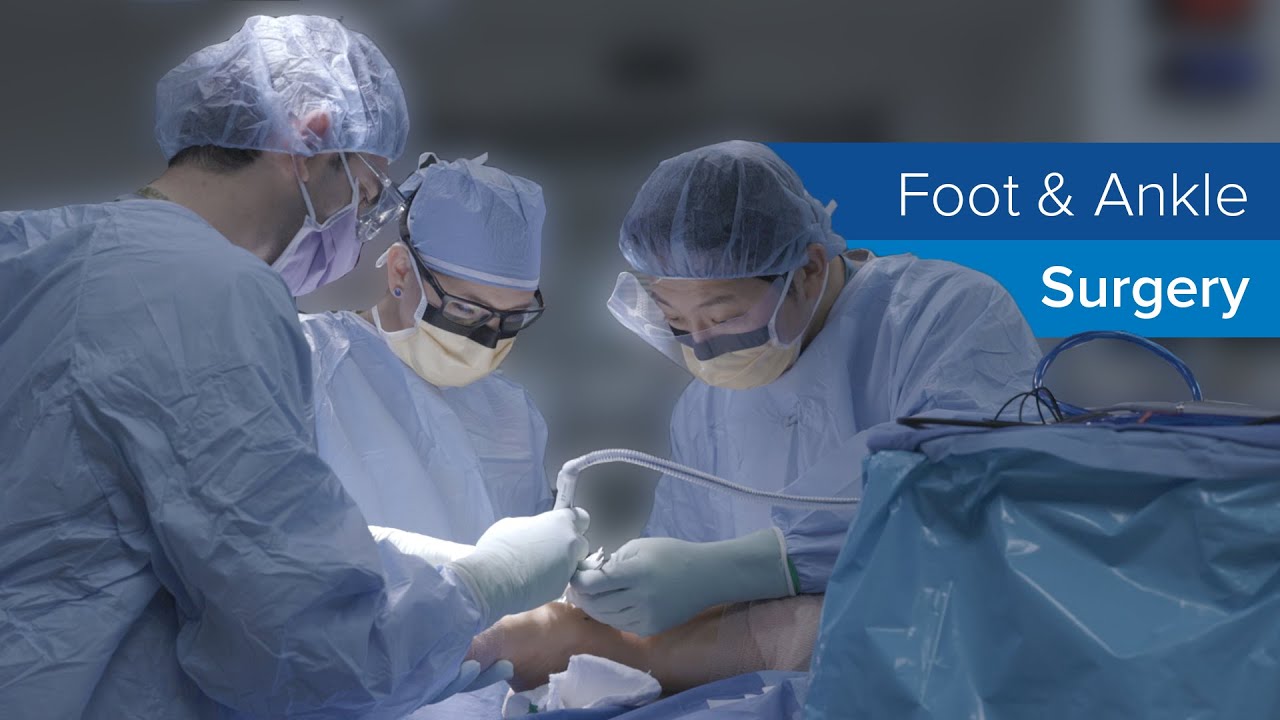
Surgery is a tool, not a finish line. I recommend it when pain limits daily activity despite conservative care, when deformity progresses quickly, or when joints lock and cannot be corrected. The goal is less pain, better function, and durable alignment.
For bunions, procedures range from distal osteotomies for mild angles to proximal or Lapidus style fusions for larger angles and unstable first rays. The trade off is straightforward. Smaller procedures have quicker recovery but less power to correct big deformities. Fusions offer stronger long term stability for collapsing arches and severe bunions, but they require patience in healing and strict protection while bone knits. Many patients return to their prior activity level, including running, but timelines differ based on bone quality and adherence to rehab.
Hammer and claw toes can be addressed with soft tissue releases if flexible. When joints are stiff, we straighten the toe with a combination of tendon balancing and a small joint procedure. Options include proximal interphalangeal joint resection arthroplasty or fusion with a temporary pin or an internal implant. Mallet toes focus on the tip joint. Crossover toes demand attention to the metatarsal alignment and plantar plate, because straightening the toe without stabilizing the base leads to recurrence.
Cartilage damage and joint degeneration in the big toe, hallux rigidus, call for tailored choices. A cheilectomy removes dorsal bone spurs and frees motion when cartilage loss is mild. With more advanced arthritis, fusion gives a stable, pain free push off and remains a reliable choice for active adults. Joint replacement has a role in select patients but requires careful counseling about longevity under high demand.
Ligament tears, tendon ruptures, and connective tissue damage discovered during planning are addressed at the same time to avoid partial fixes. If a patient has chronic ankle weakness or ankle locking that undermines toe correction, we correct the ankle mechanics so the forefoot does not relapse.
What recovery really looks like
Recovery is a phase, not a light switch. The first two weeks focus on wound care, swelling control, and protected weight bearing. By week three to six, gentle motion and balance work return. The next months build capacity, coordination, and confidence. For most toe procedures, comfortable walking in regular shoes returns between eight and twelve weeks. Return to running comes later, often around three to five months, depending on the surgery and your training history. Hiking on uneven ground waits until strength and proprioception catch up.
A practical timeline I use with patients:
- Protect, calm, and plan: days 0 to 14. Elevation, gentle toe flexion within limits, incision care, and clear targets for sleep, nutrition, and swelling control. Reintroduce motion and load: weeks 2 to 6. Transition from boot to stiff soled shoe as allowed, begin foot intrinsics and gentle calf work, avoid long standing. Build strength and gait quality: weeks 6 to 12. Normalize stride, progress balance drills, add light cycling or pool work, focus on even weight distribution. Return to impact and performance: months 3 to 6. Controlled jogging, hiking progression, sport specific drills, and continued foot posture correction.
People with diabetes, smokers, and those with poor bone quality often require slower ramps. Elderly patients might prioritize stability over speed. Athletes may need sport specific intervals before full competition. Personalized treatment plans keep the process honest and adaptable. Post surgery rehab is not a template, it is a conversation.
The stitch in the fabric: biomechanics ties it all together
Toe deformities are rarely isolated errors. Foot biomechanics drive where the forces land. If the big toe cannot extend, you roll outward and overload the lesser toes. If the ankle is stiff, you turn the foot out and stride short, which shows up as pain after exercise and even hip complaints. If arches are too flexible, the first ray collapses and the bunion worsens. If arches are too high and rigid, calluses build under the fifth metatarsal, and stress fractures are more common.
That is why a foot and ankle surgeon for gait correction and foot alignment issues will often talk about your calf length or your hip control during an appointment about your second toe. We are not drifting from the point, we are making sure your result holds. An orthotic that supports the first ray, combined with targeted strengthening of the peroneals and flexor hallucis brevis, changes the picture more than a pad alone. In clinic, I have seen midlife runners who thought their problem was a stubborn callus. We corrected a subtle ankle misalignment, trained a better push off, and used custom insoles with a mild medial forefoot post. The callus disappeared without a blade.
Specific scenarios I see often
The retailer who stands on concrete for ten hour shifts comes in with persistent swelling and forefoot burning. She has mild hallux valgus, flexible hammer toes, and plantar pain. We outfit her with a wide toe box shoe, a soft metatarsal pad, and a rocker sole that takes pressure off the forefoot. We schedule micro breaks, calf stretches at lunch, and a short, consistent foot intrinsic routine. Her pain drops by half in three weeks and continues to improve, avoiding time off work.
A high school soccer player arrives after a growth spurt with tight calves, collapsing arches, and early bunion pain. We work mobility in the ankle, teach short foot exercises, and add semi rigid custom insoles to control foot imbalance without smothering performance. He plays through the season with less pain and keeps the plan in the off season to prevent progression.
A marathoner with a rigid big toe joint, constant pain at night, and reduced range of motion tries conservative care for six months with partial relief. Imaging shows dorsal spurs and moderate cartilage loss. We perform a cheilectomy, protect the joint for two weeks, and begin motion at week three. By month three he jogs short intervals, and by month six he runs a half marathon with no sharp pain and a more efficient strike.
An elderly patient with severe bunion and crossover second toe struggles with balance and has fallen twice. After careful discussion about risks and realistic goals, we perform a Lapidus fusion with second toe correction. Caldwell foot and ankle surgeon Rehab is deliberate, we use a walker early, and we integrate home safety changes. She returns to independent living and walks her garden daily. Her steps are shorter but confident.
Beyond the toes, tackling nerve and arthritis companions
Toe deformities can coexist with foot arthritis and ankle arthritis pain. Management for arthritis layers onto the deformity plan. Rocker soles and carbon plates reduce painful motion. Weight management, when relevant, reduces daily activity pain and buys years of comfort. For stubborn inflammatory flares, targeted injections can cool a joint while we work mechanics. Scar tissue issues after prior surgeries can limit motion. Soft tissue mobilization, graded loading, and, in rare cases, surgical debridement help.
Nerve pain that persists despite decompression strategies deserves another look. Sometimes the culprit is higher up, a lumbar root irritation misread as tarsal tunnel. Other times, chronic inflammation has sensitized the system, and we add nerve focused rehab to calm symptoms. A foot and ankle surgeon for nerve issues coordinates with neurology or pain specialists when needed.
Planning for longevity, not just relief
Fixing pain today is important. Keeping it away matters more. Long term foot health depends on steady habits. Rotate shoes to vary pressure patterns. Maintain ankle flexibility and foot strength with short, regular sessions instead of sporadic marathons of exercise. For runners, respect recovery days and periodize training to avoid overuse injuries and micro tears that add up. For hikers, build distance gradually and test gear on familiar trails before long trips. Gym injuries often trace back to poor form during loaded calf raises or box work, so tune technique.
People with weight related foot issues benefit from small, consistent nutritional changes and low impact conditioning. Those with occupations that stress the feet can add anti fatigue mats, sit stand options, and brief walking breaks. If you have a history of recurring injuries or chronic inflammation, schedule check ins. An annual orthotic evaluation keeps devices current as your feet, shoes, and activities change. If something new hurts, do not wait months. Early tweaks prevent prolonged setbacks.
When you need a second opinion
Not every plan works the first time. If you have a failed foot surgery, persistent swelling, or reduced function months later, seek a foot and ankle surgeon for second opinion. Bring prior op notes and imaging. A fresh set of eyes often finds a small missing piece, such as untreated first ray instability or an unrecognized nerve compression. Complex cases benefit from a methodical review and a revised, personalized treatment plan rather than another quick procedure.
A practical path forward
Toe deformities are common, manageable, and worth addressing early. If you are dealing with walking pain, numbness and tingling, or mobility problems that limit what you love, start with shoes that give your toes room, simple strength work, and a measured look at training or work demands. If symptoms persist, a foot and ankle surgeon for foot deformities can help with advanced diagnostics, custom insoles, and a plan that fits your goals and timeline. Surgical options exist for the right scenarios and, with realistic expectations and a disciplined recovery, often return people to the activities that shape their lives.
Feet reward consistency. Small, steady inputs, done well, beat heroic sprints every time. Your toes do not have to dictate your day. With the right strategy, they can return to their proper role, quiet, strong, and ready for whatever comes next.